What is the literal meaning of dystopia?
The word "dystopia" literally means "bad place," derived from the Ancient Greek prefix "dys-" (bad, abnormal) and "topos" (place). It describes an imagined community or society that is undesirable, frightening, or characterized by dehumanization, totalitarian governments, environmental disaster, or other cataclysmic declines in society.
What is the difference between a utopia and a dystopia?
A utopia is an imagined state or place in which everything is perfect, harmonious, and ideal. In contrast, a dystopia is a corrupted or nightmarish society—often created from an attempt to build a utopia that went wrong by enforcing conformity, stripping individual liberties, or establishing extreme control.
What are the common characteristics of a dystopian society?
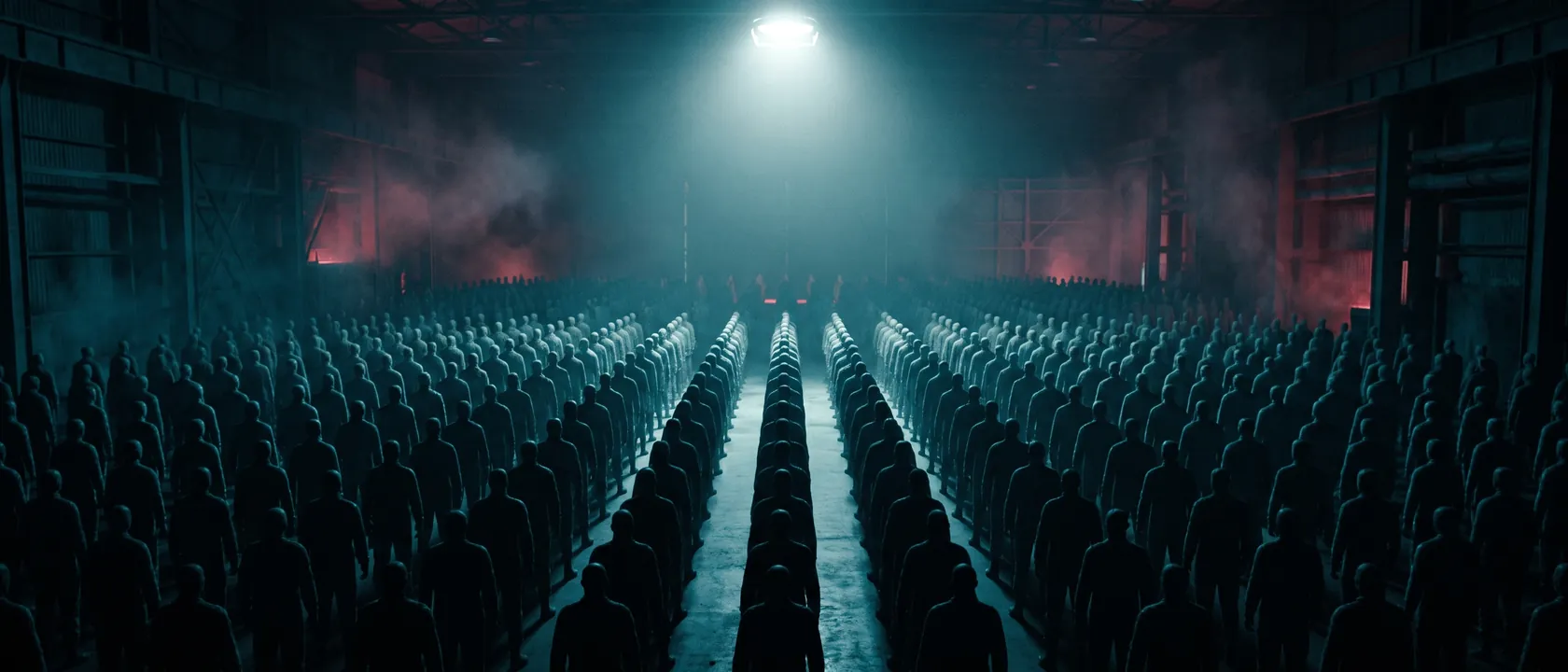
Common characteristics include omnipresent surveillance, strict government control (totalitarianism), corporate rule, environmental devastation, loss of individuality, heavy information censorship, and a population that is coerced or brainwashed into conformity.
What are key examples of dystopian literature?
Key examples include George Orwell's "1984" (state surveillance and censorship), Aldous Huxley's "Brave New World" (genetic conditioning and psychological control), Ray Bradbury's "Fahrenheit 451" (censorship and burnings of books), and William Gibson's "Neuromancer" (high-tech corporate-dominated cyberpunk).
What are the main types of dystopia?
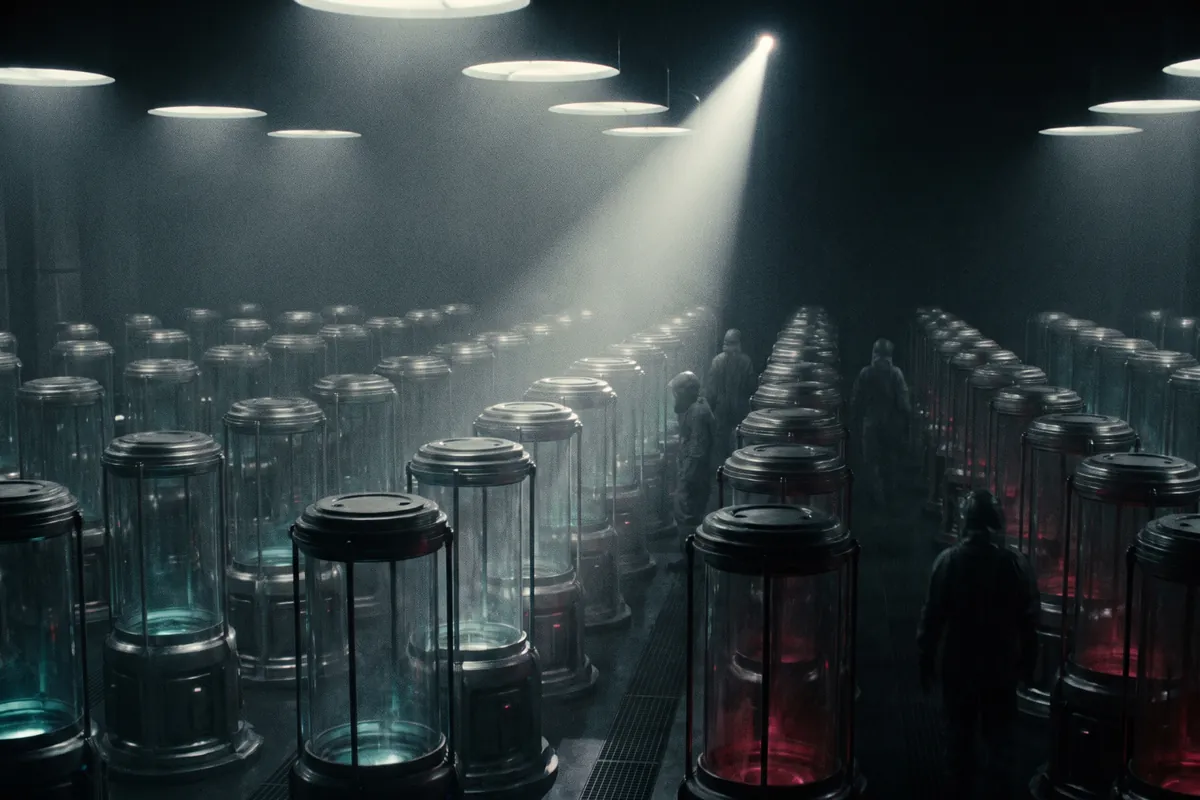
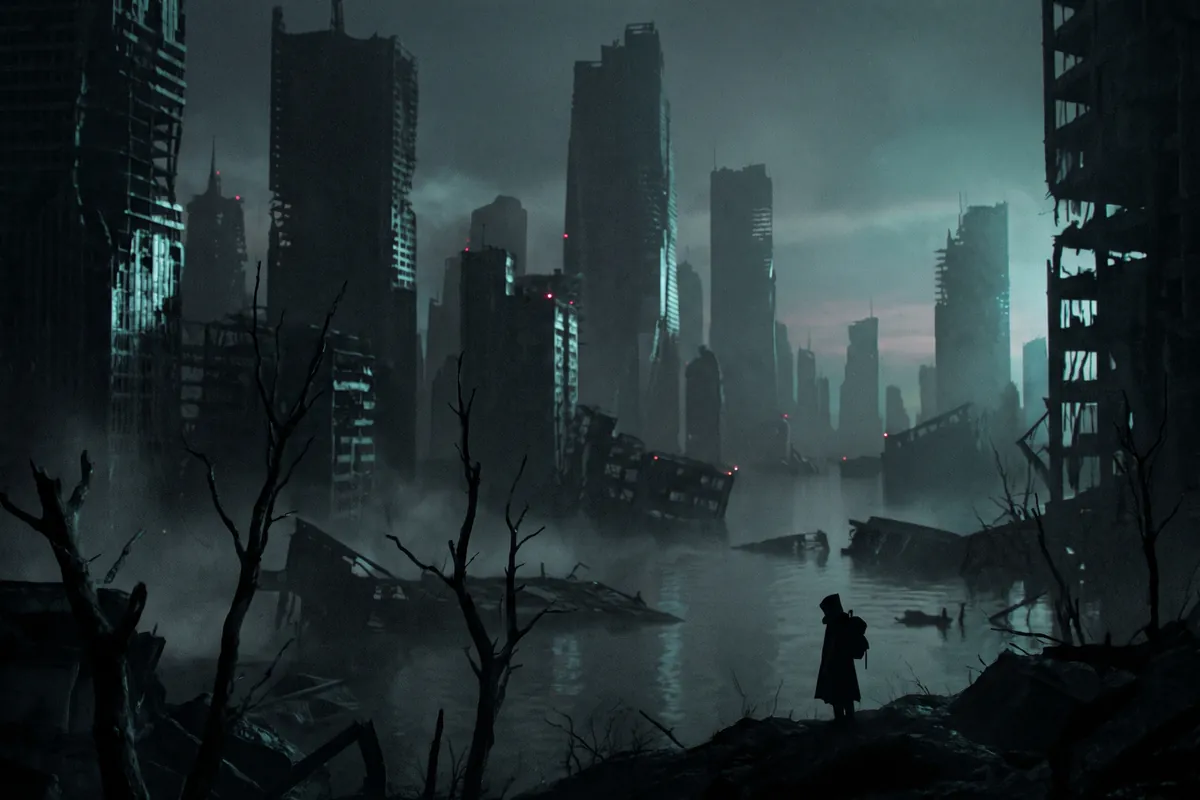
Dystopias are classified by their engine of control: authoritarian/surveillance (control by observation), corporate/cyberpunk (control by ownership), technological/AI (control by automation), engineered/biotech (control by biology and pleasure), theocratic (control by doctrine), and post-apocalyptic/ecological (control by scarcity). Most stories blend several but lean on one primary archetype.
What is the opposite of a dystopia?
The opposite of a dystopia is a utopia: an imagined society where everything is perfect, harmonious, and ideal. The two are tightly linked, because many dystopias begin as attempts to build a utopia that curdle into oppression when perfection is enforced at the cost of freedom.
Are we living in a dystopia?
Most scholars describe today's world as having dystopian elements rather than being a full dystopia. Frequently cited parallels include mass surveillance, algorithmic manipulation, misinformation, and climate threats. Dystopian fiction is best understood as a warning device that exaggerates present trends, not a literal forecast.
Is 1984 a dystopia or a utopia?
George Orwell's "1984" is a dystopia. The ruling Party claims to have built a perfect order, but maintains power through total surveillance, propaganda, historical revision, and the crushing of individual thought, which are hallmarks of dystopian rather than utopian fiction.